Wedding Terms to Know: Wedding Party Roles
Whether you’re planning a traditional wedding or doing things your own way, here’s a simple breakdown of common wedding party roles and how flexible they can be.
Wedding Officiant
The wedding officiant is the person who legally and ceremonially marries you. This may be a religious leader, a civil celebrant, or a friend or family member who has been ordained for the occasion. More than half of couples choose a loved one to officiate, adding a meaningful and personal element to the ceremony.
Wedding Attendant
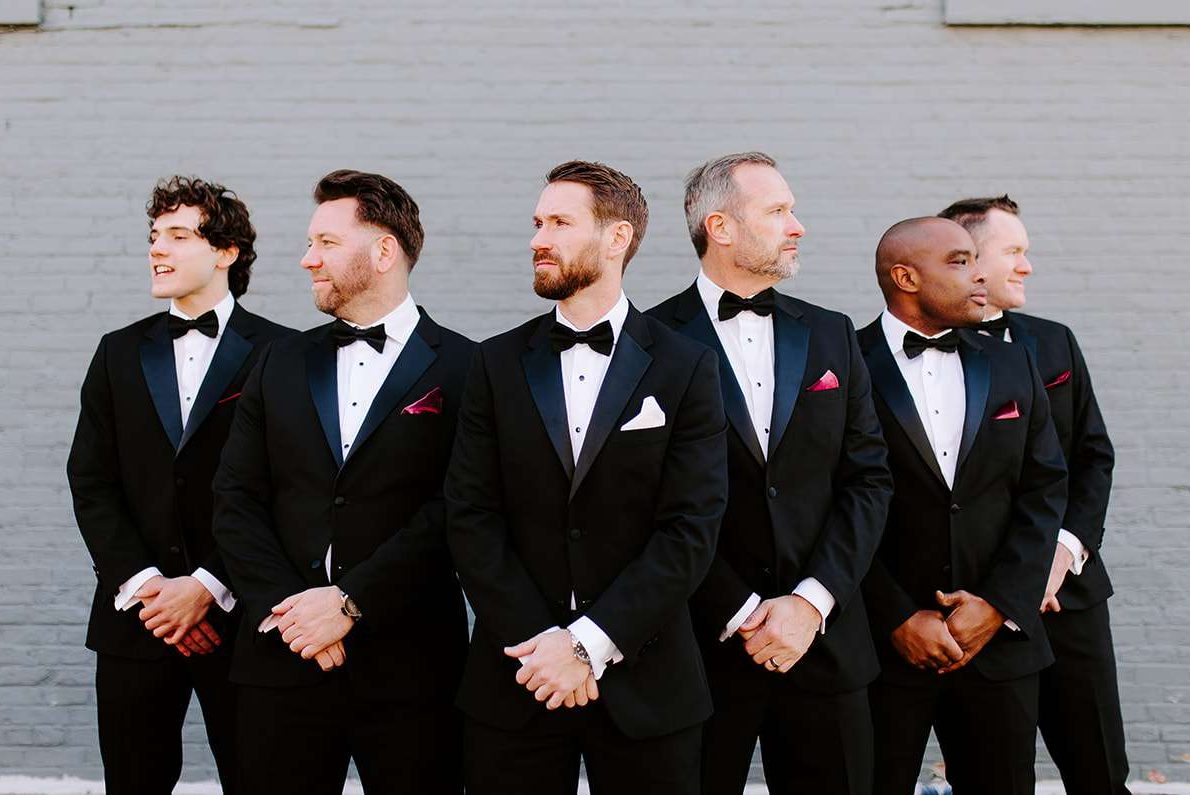
Wedding Attendant is a general term for the people who support you and your partner on your wedding day. This group may include bridesmaids, bridesmen, groomsmen, groomsmaids, or any combination that reflects your relationships. Modern wedding parties are flexible and inclusive.
Person of Honor
Also known as a maid of honor, matron of honor, or best man, the person of honor is your primary attendant. This role is typically filled by a best friend or close family member and often includes extra responsibilities such as holding the bouquet during the ceremony or safeguarding the rings until the exchange.
Many couples choose one person of honor on each side, while others select more than one.
A matron of honor is married. A maid of honor is not married.
Ring Bearer
Traditionally, the ring bearer is a young child who carries the wedding rings down the aisle. Today, it is common for the rings to be held by the best man or another trusted attendant until the moment of the exchange.
Some couples still include children or pets as symbolic ring bearers, often having them carry imitation rings to keep things simple and stress free.
Flower "Girl"
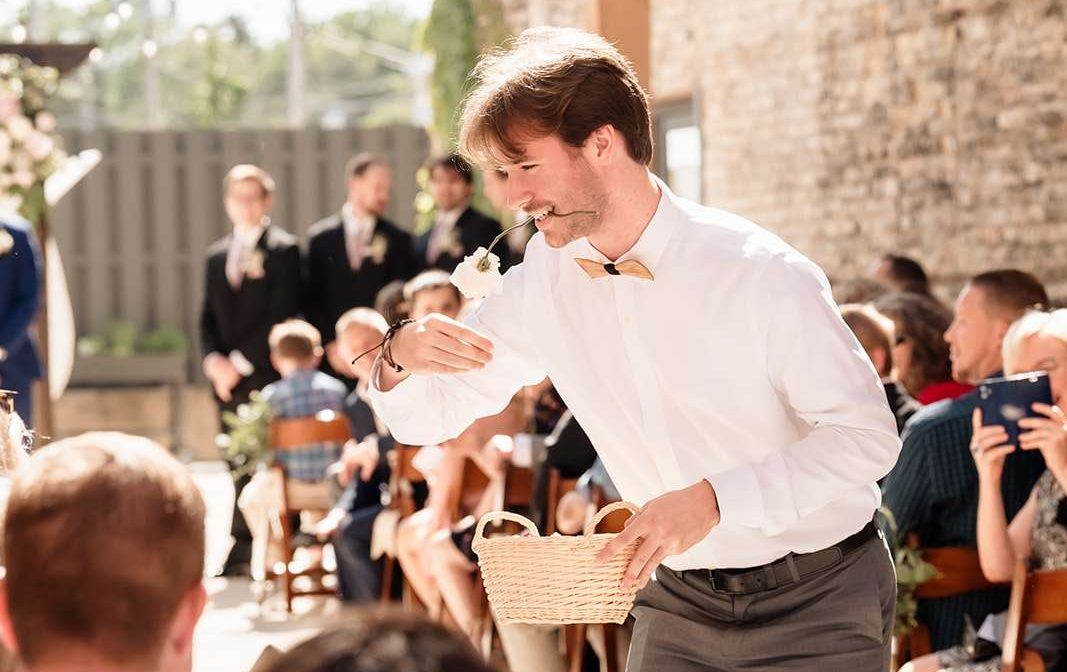
The flower girl is traditionally a young girl who walks down the aisle after your bridesmaids and scatters flower petals along the aisle before the bride makes her entrance. This role has changed in recent years to include grandmothers and other friends or relatives who act as flower attendants. Our favorite trend? High-energy flower dudes!
Ushers
Not every wedding includes ushers, but they can play an important role. Ushers are usually friends or family members who greet guests, help them find seats, and escort grandparents or other honored family members before the ceremony begins.
Matchmaker
Common Wedding Party FAQs
How many bridesmaids or groomsmen should I have?
There’s no “correct” number. Most weddings have anywhere from 0 to 6 bridesmaids, but the right number is simply the amount of people you want standing beside you. Choose the size that fits your comfort level, budget, and venue—not tradition.
Do I need an equal number of bridesmaids and groomsmen?
Nope. Uneven wedding parties are completely normal. You can:
- Have different numbers on each side
- Mix up the processional order
- Seat attendants after they walk
Photos, ceremonies, and layouts can all be adjusted easily.
When should I ask my bridesmaids?
Most brides ask 8–12 months before the wedding, or as soon as the date and venue are secured. If you’re planning a shorter engagement, it’s perfectly fine to ask as soon as you’re ready—just be clear about expectations.
P.S. This would be a great time to start shopping for your wedding gown, too. Check out our sibling brand: Bon Bon Belle.
Do bridesmaids have to pay for their own dresses?
In many weddings, bridesmaids pay for their own dresses—but this is not required. Some couples cover dresses fully or partially, especially if:
- A specific dress is required
- Travel costs are high
- The wedding party is intentionally kept small
The key is transparency upfront.
Can I choose non‑traditional or gender‑neutral wedding party roles?
Absolutely. Many brides choose:
- A person of honor instead of maid of honor
- A mixed‑gender wedding party
- No formal titles at all
Your wedding party should reflect your relationships—not outdated rules.
What is the maid (or person) of honor actually responsible for?
Responsibilities vary by couple, but often include:
- Emotional support during planning
- Helping with pre‑wedding events
- Holding your bouquet during the ceremony
- Giving a speech (if you want one)
It’s okay to divide responsibilities or keep things very low‑key.
Do I need to include family members in my wedding party?
No. While some brides include siblings or relatives, it’s not mandatory. You can still honor family in other ways, such as:
- Readings during the ceremony
- Walking down the aisle
- Special dances or toasts
Choose roles that feel comfortable for your family dynamic.
What if I want a very small (or no) wedding party?
That’s completely valid. Many couples:
- Skip a wedding party entirely
- Have just one or two attendants
- Ask friends to help in informal ways
A smaller wedding party can mean less stress, fewer opinions, and simpler planning.
Do bridesmaids have to help plan the wedding?
No. Bridesmaids are there to support you, not manage your wedding. Some may help with tasks or events, but nothing should be assumed. Clear communication avoids hurt feelings on both sides.
What if someone is upset they weren’t asked?
This can be uncomfortable, but it’s common. Keep your explanation simple and kind:
- Emphasize the size or vision of your wedding
- Reassure them they’re important to you
- Find another meaningful way to include them, if appropriate
You’re allowed to make choices that protect your peace.
Can I change wedding party roles after I’ve asked?
Yes—life happens. While it’s best to avoid changes when possible, honesty and kindness go a long way if plans need to shift. Most people understand when circumstances evolve.
Final Reminder
Your wedding party should support you, celebrate you, and reduce stress, not add to it. Whether you follow tradition or rewrite it entirely, the right choices are the ones that feel aligned with you and your partner.